Eye-popping cover!

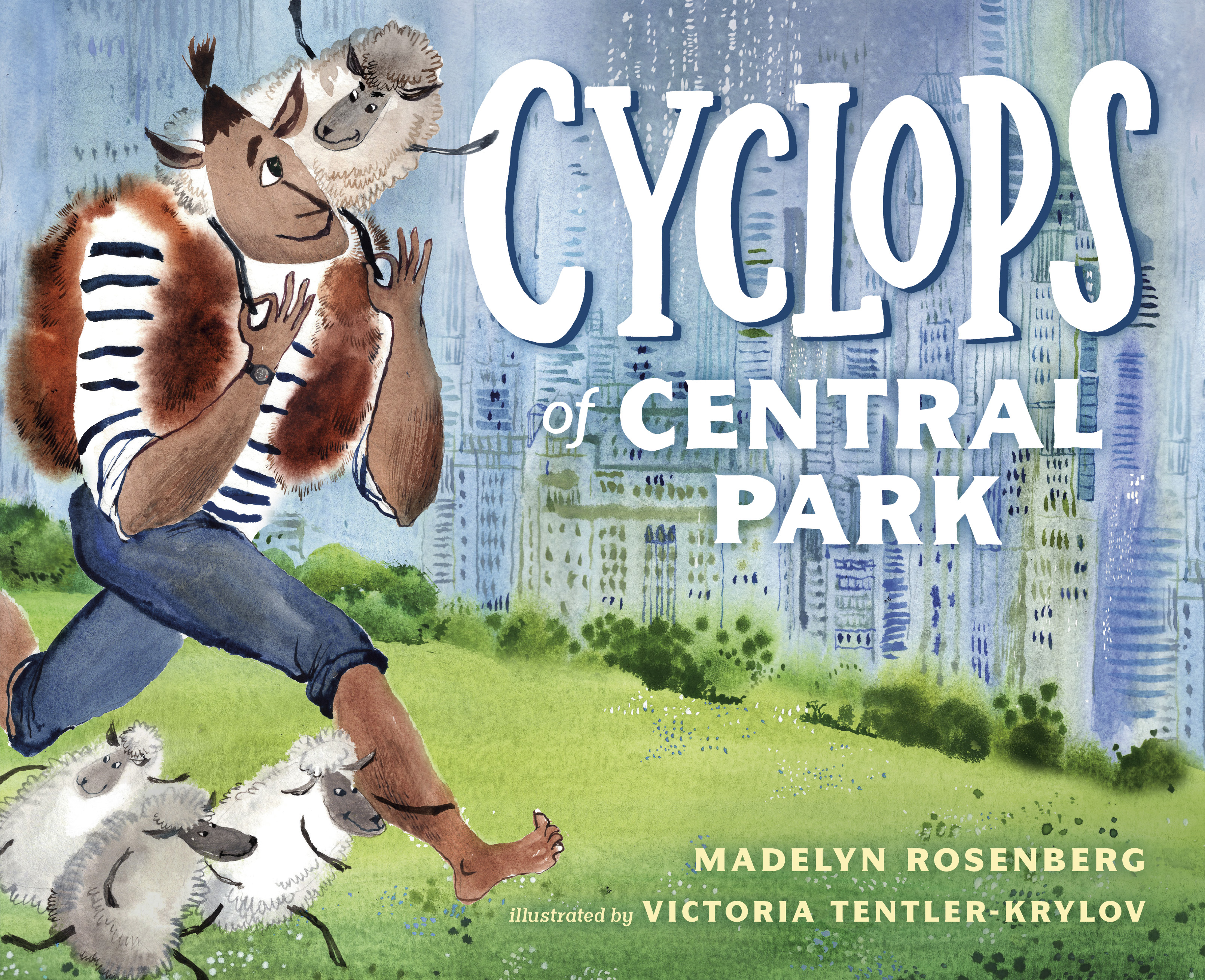
SO excited to show you the new cover for Cyclops of Central Park, coming out in February from GP Putnam’s Sons. The illustrator is Victoria Tentler-Krylov and I love her work and this cover more than I can say. (Are you listening, New Yorker???) The book can be preordered right now, either online or through your favorite local indy. Links below!


Click to preorder from:

Indiebound

Barnes and Noble

Target

Amazon

Or call your local independent bookstore!

Posted in anxiety, kidlit | Leave a comment

The Statue

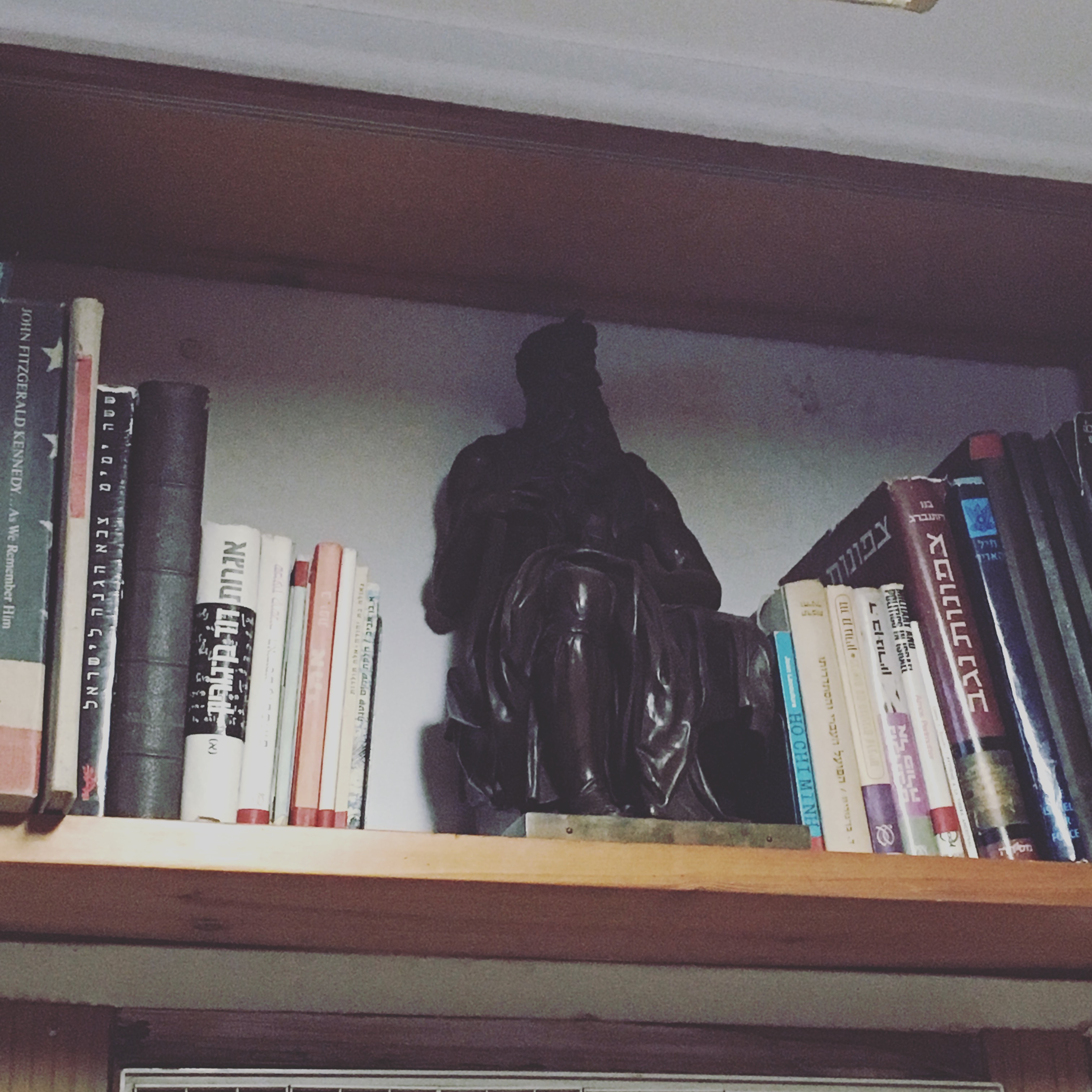
My mother always called it “the credenza,” a fancy name for a small cabinet holding a few liquor bottles (for my parents’ few parties) and blackberry Manischewitz (for shabbat). On top sat whatever family photos were in rotation and a bronze statue of Moses holding the ten commandments.

I didn’t always know it was Moses. At first I thought he was a mythological creature, and given my views on religion sometimes, that wasn’t far off. Plus the statue, a replica of the one made by Michelangelo, had horns. As a kid growing up in the south where some people believed Jews had horns, I didn’t think Moses was doing a good job bucking stereotypes. But he was there through my childhood and teenhood, watching with steely eyes when I stole a taste of rum and refilled the bottle with tap water. Consider him a biblical precursor to Elf on the Shelf. One day, after college graduation, after my parents divorced and remarried other people, Moses was replaced by a crystal bowl.

This February,  I traveled to Israel with a group of 17 other children’s writers, a trip that was sponsored by the PJ Library. The goal was to make connections, with Israel and with each other. I’d been in a stuck place in my writing for many months, and I thought what I needed was desert air and a brand new landscape. But in many ways, Israel felt like a return to a place I’d never been. That feeling was confirmed when we visited Sde Boker, a kibbutz in the Negev and the last home of David Ben-Gurion, the first prime minister of Israel.

There on a shelf was the statue of Moses I knew from my childhood, watching over Ben-Gurion just as he’d watched over me.

Posted in Israel, PJ Library Israel Trip, Uncategorized | Leave a comment

Mistakes, Middle School and Poetry

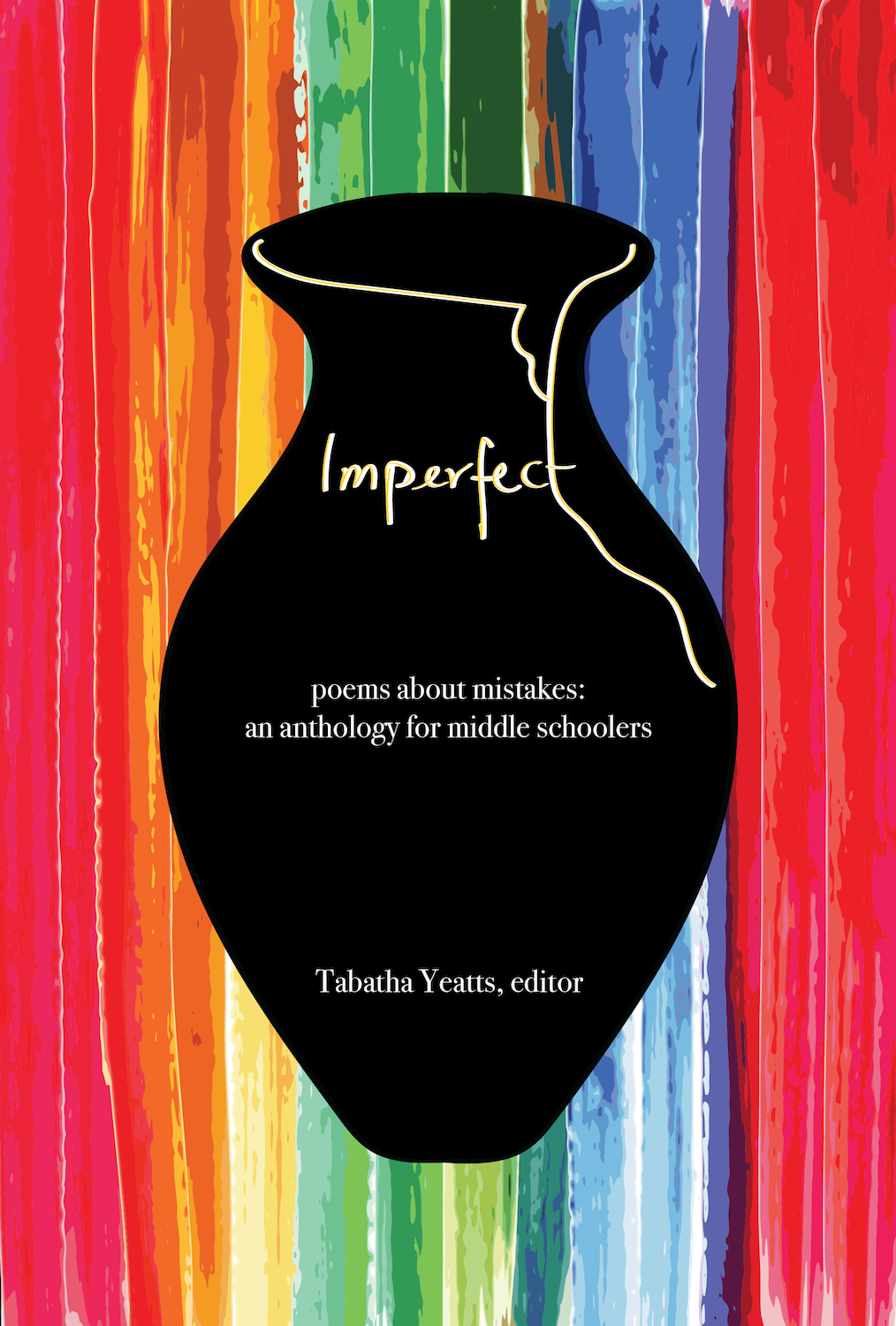
Mistake Anthology Cover smallerThose of us who grew up on Sesame Street spent a lot of time listening to Big Bird wax poetic about making mistakes. Everyone makes them, he said, why can’t you? But while Big Bird was chill with the idea, it took Maryland poet Tabatha Yeatts a few extra years to buy in. She was especially hard on herself as a teen, she writes in Imperfect: poems about mistakes, an anthology for middle schoolers. She didn’t want to make them. Looking back now, she has a different understanding and perspective. And she doesn’t want teens, including her own, to feel the way she did. Her book, which includes some of her own poems along with poems by Margarita Engle, Liz Garton ScanlonApril Halprin Wayland and many others, analyzes imperfection and at times, celebrates it. The book is out today, in time for National Poetry Month.

Tabatha and I are from the same hometown, so I thought I’d interview her to give her The Blacksburg Bump. (If I say that’s a thing does that make it a thing?)

Me: I can guess the answer to this, but why did you focus on middle school for this anthology? 

Tabatha: I feel like every age can benefit from understanding that we’re all imperfect, but middle schoolers seem particularly hard on themselves (and others). Also, when you look at poetry anthologies, you can get the feeling that middle schoolers are a bit left out. It’s nice to say, “Hey, I see you and you’re okay!”

Me: What were you like as a middle school kid?

Tabatha: Me? I think I was pretty scared of doing the wrong thing all the time, so I didn’t feel like I had room for making mistakes. And I was pretty sure other people didn’t make mistakes!

Me: What was the first poem you knew was going into this anthology? How did you choose the others?

Tabatha: I told Margarita Engle about my idea for the anthology and she gave me her poem, so that was the first one. It was such a show of faith in my plan that I figured I had better go through with it!

Actually, there was a poem that was around before that, “What Goes Wrong,” which I wrote after I heard that people make mistakes every hour. Every hour?! I had been surprised because I would have guessed mistakes were made much more infrequently. It made me think about the difficulty of being the president, or a brain surgeon, or anyone else whose mistakes can have big ramifications. And then I started wondering about small mistakes, the kind that we don’t really notice. I would say that the entire anthology started with those ponderings. 

A selection committee went over the poetry submissions to help determine what was included. I am so grateful for their input! One of the committee members is a teacher and she told me when she turned in her results that she had done the entire thing with her son, and they had discussed and debated them until they had one score to turn in for each poem. She said it had been a wonderful project for them to do together. I loved that!

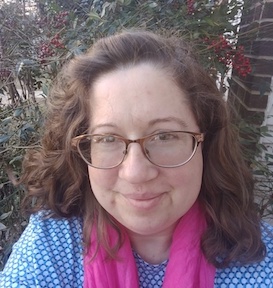
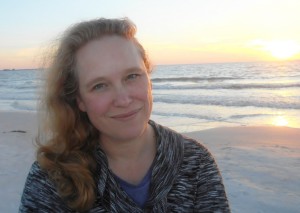
Tabatha Outside 2018-1Me: Did being a parent have anything to do with your drive to create this anthology?

Tabatha: I would say yes, being a parent did contribute to my desire to make this happen. Not only for my kids, but for their friends. My kids’ high schools are pressure cookers. When my son was in elementary school, he related a story of one of his classmates getting a 98 on a paper and his parents asking, “Where did those two points go?”

Me: Talk a little about the variety of forms of poetry included here.

Tabatha: In addition to the types of poems that are discussed in the back matter, there are haiku, poems in couplets, limericks, free verse, poems that are aabb, poems that are abcb, and come to think of it, I think Tarzan and the Mangani Mistakes is a sonnet but Juleigh (Howard Hobson) and I never discussed it!

Me: Your back matter includes how to create certain poem forms, which I expected, and some wisdom on making good decisions and apologizing effectively, which I didn’t. Could you talk a little about the back matter you chose to include and why?

Tabatha: It occurred to me that when we are thinking about mistakes, we want to figure out how NOT to make them, which is why I included the part about making good decisions. Some mistakes you can see coming, if you look. Equally important is what to do after you’ve made a mistake, hence the section about apologizing. It’s a fundamental life skill that I’m not sure gets talked about to kids much at all.

Me: Did you make any mistakes putting together this anthology?

Did I make any mistakes? But of course! As the formatter and I went back and forth (and back and forth etc etc), I wondered, “Is it ironic that I am desperately trying to keep mistakes out of this book??”

Me: What is your hope for this collection?
Tabatha: One of the things that I hoped to do with the selection of poems was to not only appeal to different middle schoolers who might or might not have a lot of experience with poetry, but also to appeal to the same middle schooler at different times. Looking for a laugh, or someone to commiserate with? Things could change by the hour!

Me: What gave you the courage/gumption to take on this project yourself?

Tabatha: I have done a lot of volunteer work in the schools and when I do it, I think about the individual kids who might benefit. I have always felt like if one person was helped by something I did, it was worth doing. I feel the same way about IMPERFECT. It’s really from my heart to yours, mysterious mistake-making friend. It’s for you.

Me: When I visit schools, I’ve had some kids tell me that they aren’t good writers. I’ve been trying to get them to think of one part of their writing that IS amazing — break it down so it’s not so scary or daunting. Maybe they are great at writing about gross stuff. Or maybe they’re great at dialogue or naming characters or finding just the right word to describe a blueberry pie. So I thought I’d start asking writers, too: What is your writing super power?

Tabatha: Mine is Click-Writing…I can circle around a topic and circle around it until I figure out how I want to approach it. Then when I finally get that figured out, CLICK! It all comes out.

For more about Tabatha and the anthology, visit the Team Imperfect Blog. You can find Imperfect online at Amazon, Barnes and Noble, and Powell’s.

Posted in author interview, poetry, Poetry Friday | 2 Comments

Mary Hill: How She Died, How I Lived

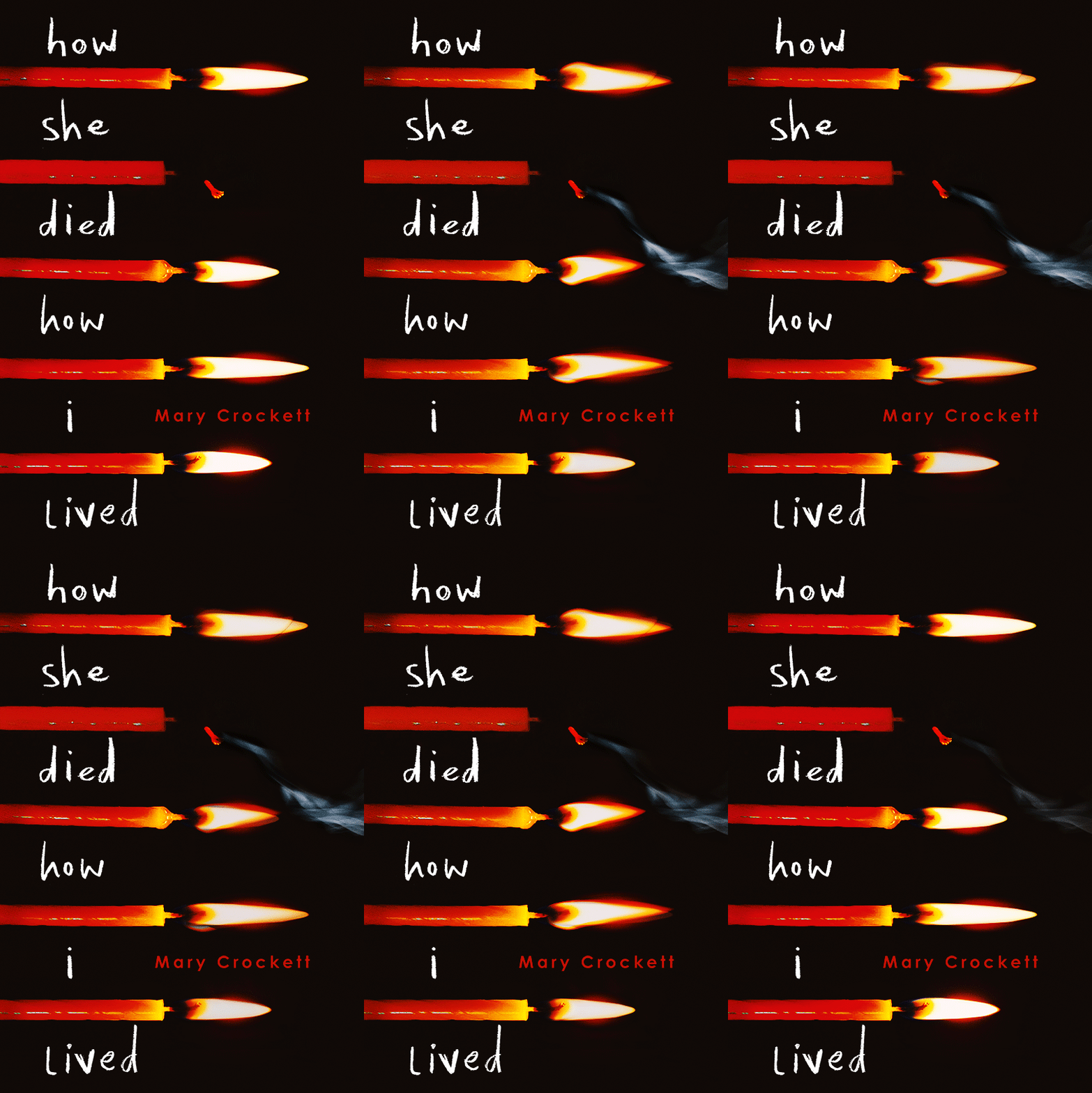
Mary CrockettMary Crockett is my sometimes writing partner and my always friend. I could not be happier to talk with her about her new YA novel How She Died, How I Lived, which is coming out in November from Little, Brown. It’s about a girl overcoming survivor’s guilt when her friend Jamie is killed by another boy.
I was one of five. The five girls Kyle texted that day. The girls it could have been. Only Jamie–beautiful, saintly Jamie–was kind enough to respond. And it got her killed.
I’ve written both about Mary and with Mary (you can visit some of our old blog tour stops here) so I’m keeping the introduction brief and just jumping in:
Me: What inspired you to write this book, in particular?
 
Mary: How She Died, How I Lived was a bit different for me as a writer, because it wasn’t necessarily a book I decided to write. The story overtook me and made me write it, if you know what I mean.
I was hard at work on an entirely different manuscript when I saw in the newspaper that a young woman from my community who had been missing for days was found dead by the side of the road. She was murdered in a shockingly brutal way by a young man she knew and trusted. A young man, in fact, that she was trying to help.HowSheDiedGif
I was simultaneously outraged and overwhelmingly sad.
That story broke something in me. So I did what I do when I’m broken. I cried. And then picked up a notebook and pen.
Me: That sounds … hard. How did you keep moving forward?
Mary: It was a hard story to write–but I really felt this story mattered, and that faith kept me moving.
You know me, Madelyn. I love to laugh at silly jokes and goof around. I’m not the Doom and Gloom Patrol. So my challenge with this story was finding the light, even in the darkest of moments. And I did find it.
This is a story about healing and friendship and discovering out what’s worth living for, even in the wake of something horrific.
Me: Let’s talk a little about the writing process. Something I always struggle with as a writer is self-discipline. What do you tell yourself to keep yourself focused during the chaos of every day?
Mary: Oh wow. I fail. A lot.
I was trying to sit down yesterday to get going again on my work-in-progress after a looooooooong hiatus, and I swear, I just WOULD NOT DO IT.
I wanted to return to that manuscript that was half-written when I started How She Died, How I Lived, but I was going out of my way to find absolutely anything else to do instead. Heck, I resorted to doing laundry! By choice–not just because we ran out of underwear!
I felt so nervous, like someone had set me up on a blind date. Would the manuscript like me? Would I like it? What should I wear? 
So yeah, I’m not the person to ask about self discipline!
Me: (This makes two of us. Obviously, I do blog interviews when I should be working on other projects…)
How does raising teens while writing about teens — especially when the story turns dark — inform your writing?
Mary: When my daughter was younger, I tried to ignore the fact that she might one day read my stuff. You know, so I wouldn’t feel guilty about the cursing or kissing or bad behavior or whatever. But now she’s an older teen, which makes her the ideal target audience for How She Died, How I Lived. And she was my best reader, honestly.
I ask her, do you think I should change the language here or tone that part down? And she argues to keep it dark and edgy–because to her, that’s real. That’s what she hears and sees every day at her high school.
My teen sons are another story. I’m not sure they’re even aware what I do for a living. (That’s not entirely a joke.)
Me: Because I love hearing about lightness, too, so why don’t you talk about what it felt like to get a Y-E-S for this book?
Mary: It seems the universe keeps trying to teach me the lesson that I have to let go of my desire in order for the thing I want to happen.
This manuscript had been in circulation for quite a while, and quite frankly, I had lost hope. So I shrugged and went on about my business otherwise.
Luckily, my fantastic agent Emily Mitchell did not lose hope! She kept plugging away–so when I got the news that an offer was coming in (and not only an offer, but an offer from a press that has published some of my literary heroes!), I was out of my skin!
One of the best parts was sharing the news with my friends–all of whom had heard me moan and groan about how I was giving up.
I knew when I called to tell you my good news, Madelyn, you were genuinely as happy for me as I was for myself! And having a friend like that, who truly wants the best for me–that’s not something I take for granted. (Or at least I try not to!)
Me: We were over-the-top happy for you — we knew how hard you had worked!
I know you do all different types of writing, from poetry to news releases to grant proposals to YA. What was the first thing you ever published? Grade school counts.
Mary: When I was in 3rd grade, my teacher had the class write stories about having a wish granted. I think in my story an alien comes down from outer space and tells me I can have whatever I want, and I say “a friend!” and then the alien becomes my friend. The teacher went on about what a great story it was, and she had copies made that she passed out for all my classmates.
So at the time, I thought this was all due to my amazing story. But looking back as an adult, I realize my teacher must have been aware I was a friendless oddball who was regularly mocked (no pity–this is just the truth!), and I think she was trying to send a message to the class to be nicer to me. It didn’t work, but I was happy that she liked my story.
Now, I realize that pretty much the arc of anything I write–picture books, novels, whatever–is still just that story in a different form:
Someone needs a friend; someone gets a friend. The End.
Me: Besides the friend thing, are there themes that you go back to when you’re writing in different forms? Something that repeats in your poetry and your books and even in your picture book manuscripts?
Mary: Hmmm. Yes, the friend thing–but also oddities. The weird. The out-of-sync. The awkward.
Also, birds. The river.
More motifs than themes, I guess.
Me: What has writing in one form taught you about writing in another?
Mary: Poetry teaches you to listen to the quiet between words.
Prose teaches you to hurry up and say it already!
Me: Is there any form you’d like to tackle that you haven’t yet?
Mary: Verse novel, baby! It’s a gonna happen! I haven’t started yet, but hope springs eternal!
Me: And finally: What’s your writing super power? (This is a new question I’m asking in the hopes of assuring kids who say ‘I’m bad at writing’ that there is probably some aspect of it that they ace. Maybe they’re good at gross descriptions. Or kissing scenes — I always thought you, personally, were great at kissing scenes. Anyway, what do you think of as your super power?)
That’s a cool idea! Yeah! I suck at the big picture, but I’m pretty good at one word after another. One and then one and then one. And the big picture comes into focus soon enough.
Thanks, Mary!
You can preorder How She Died, How I Lived  from any independent bookstore or online. I hope you will, because pre-order sales help! Also, Mary is currently running a pre-order promotion. You’ll get exclusive digital content. Plus, you could win $50 at the bookstore of your choice. (Link to  http://marycrockett.wixsite.com/author/pre-order-contest) 
 
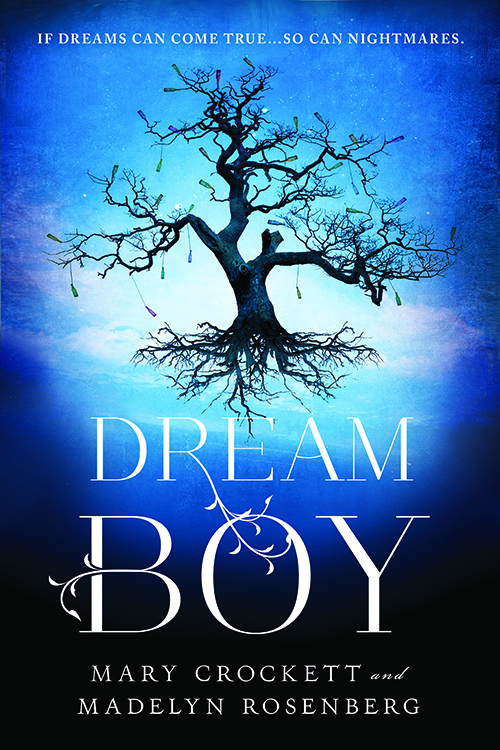
You can follow Mary on Twitter at @marylovesbooks and Instagram at @marycrockettwriter. And if you want to check out Dream Boy, Mary’s previous YA novel (the one she wrote with, ahem, me) I hope you’ll do that, too!
DreamBoy
Posted in Uncategorized | 2 Comments

Upcoming

This winter’s gone by in a haze and I can’t exactly tell you where I’ve been. But I can tell you where I’ll be for the next few weeks.

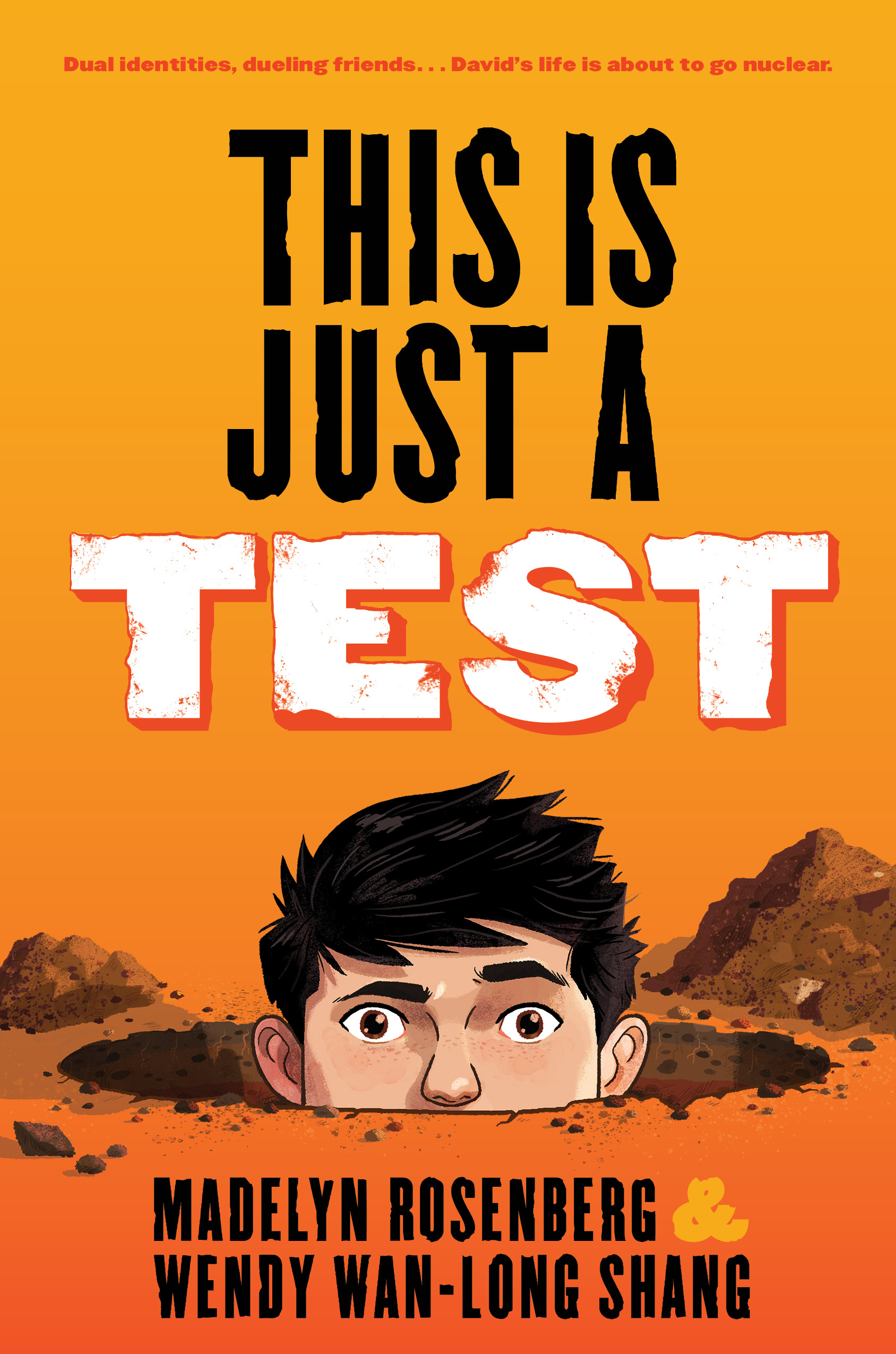
this is just a test coverI’ll be in Richmond on April 21st as part of the RVA Litcrawl. All types of authors will be at the event. Stop by and talk to me and fellow MG writers Kathryn Erskine, Gigi Amateau and AB Westrick. I’ll be talking about This Is Just a Test — though without Wendy, who has some family stuff that weekend.


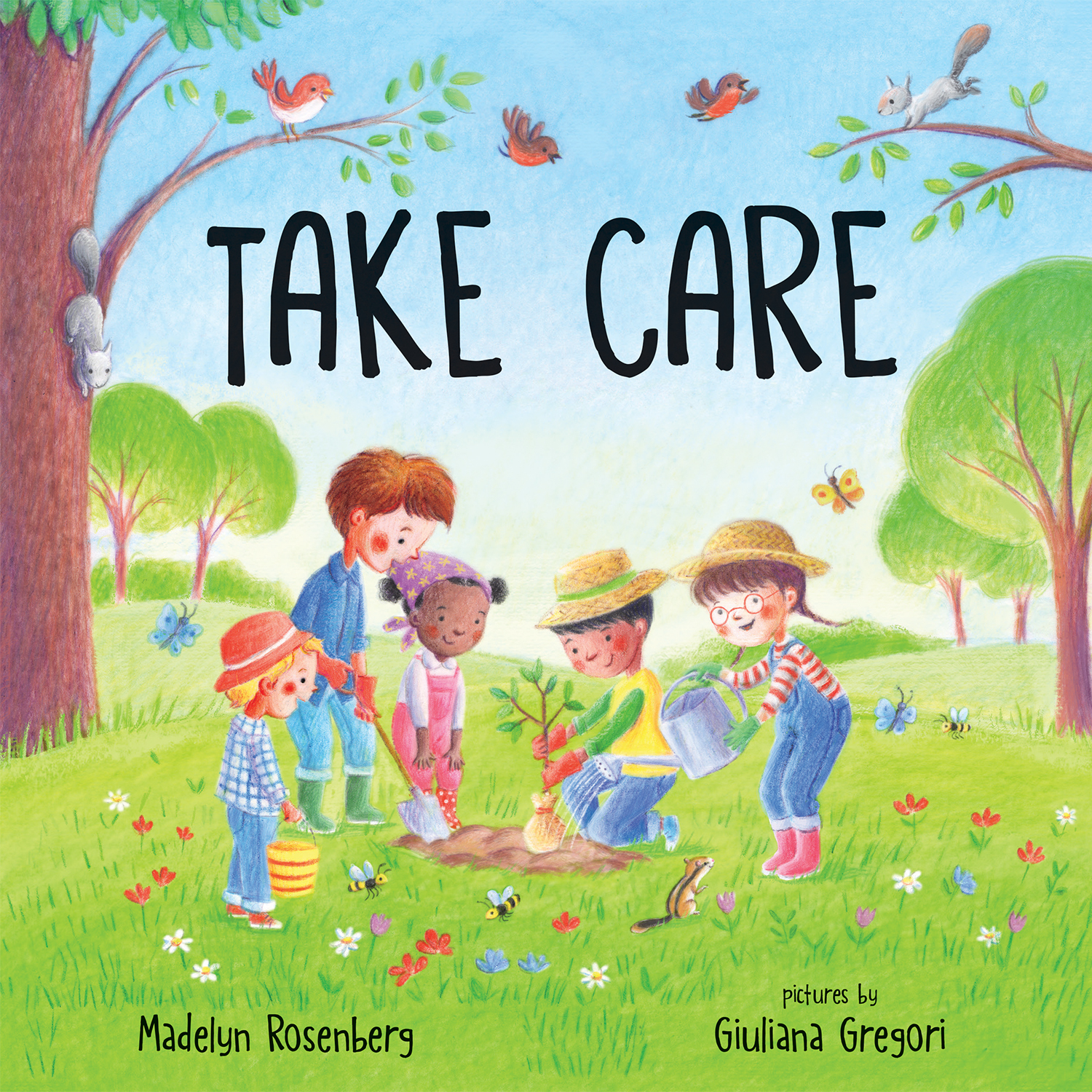
I’ll be at One More Page in Arlington on April 22 as part of an Earth Day celebration. I’ll be talking about Take Care and Sue Fliess will be talking about Mary Had a Little Lab.

takecare

I’ll be visiting public schools in Loudon County with my partner in crime Wendy Shang on April 25 — if I don’t get placed on a jury.

I’ll be at Temple Micah for the People of the Book festival on May 6th.

Wendy and I will be together at the Gaithersburg Book Festival on May 19th. Looking forward to seeing some amazing authors there!


Voting is o2018pen for the Children’s and Teen Choice Book Award. Stop by here to check out all of the books. This is Just a Test is a finalist in the 5th/6th grade category. Also: TEACHERS: If your class is celebrating Children’s Book Week and your kiddos have questions about the book, I am glad to answer or skype with your class if we can work out a schedule. Hit me up!

Voting is ALMOST open for the YAVA book awards in Virginia. This Is Just a Test is a finalist here, too. Voting begins Sunday the 8th. One of the best things about being an author from Virginia is … being an author from Virginia. I love all of these people and you can’t go wrong with whichever book you pick up.

Voting is ALMOST open for the New-York Historical Society Book Prize. This Is Just a Test is one of the four finalists and we couldn’t be happier! If it wins, Wendy and I will be in NYC in May.

Posted in Uncategorized | Leave a comment